
A real-time case study
I didn’t realize what was happening at first.
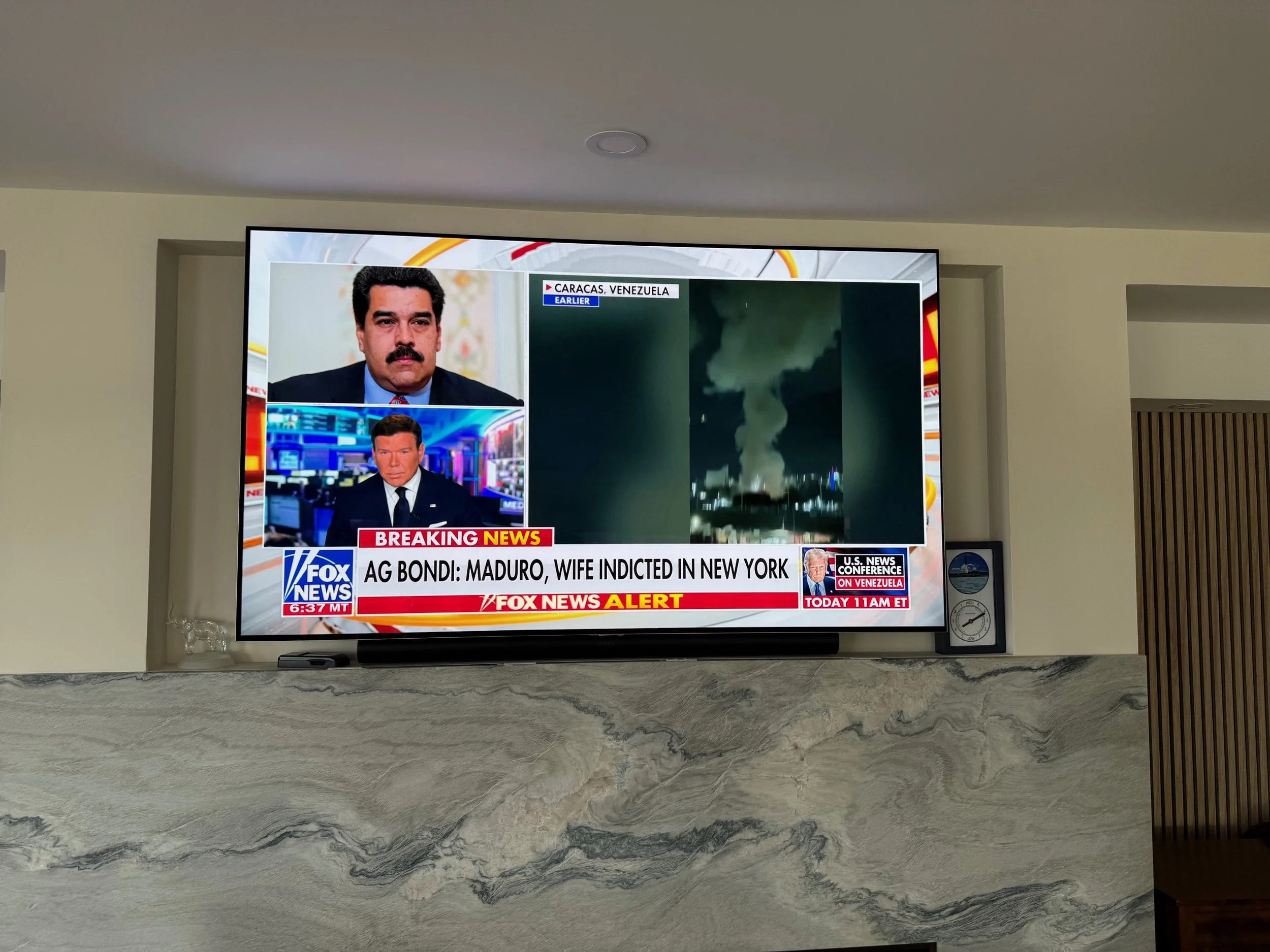
Ten minutes before I turned on the television and saw breaking coverage out of Venezuela—images of unrest and the capture of President Nicolás Maduro and his wife—I received a text from my client, Kimberly.
She said something felt off.
Flights. Alerts. Confusion.
It didn’t immediately connect.
When I called her, it clicked. Her Windstar cruise was scheduled to depart the next day. Barbados was the embarkation point of the itinerary. This wasn’t a weather delay or a mechanical issue.
This was a geopolitical event unfolding in real time.
And it was a reminder that travel doesn’t unravel politely—or on schedule.
Almost immediately, the same questions everyone asks started piling up:
Should we still go to the airport?
Should we try to get to the embarkation city anyway?
Will the ship wait?
Will the cruise be canceled?
And the hardest part—no answers yet.
When geopolitical events ripple through a region, cruise lines and airlines don’t always have immediate guidance. Call centers get overwhelmed. Systems lag. Travelers are left standing in airports or at home, trying to make real decisions without information.
So the question became the same one every traveler asks in moments like this:
“What do we do now?”
Let’s break it down—piece by piece.
Before Anything Else: One Critical Rule
Document everything.
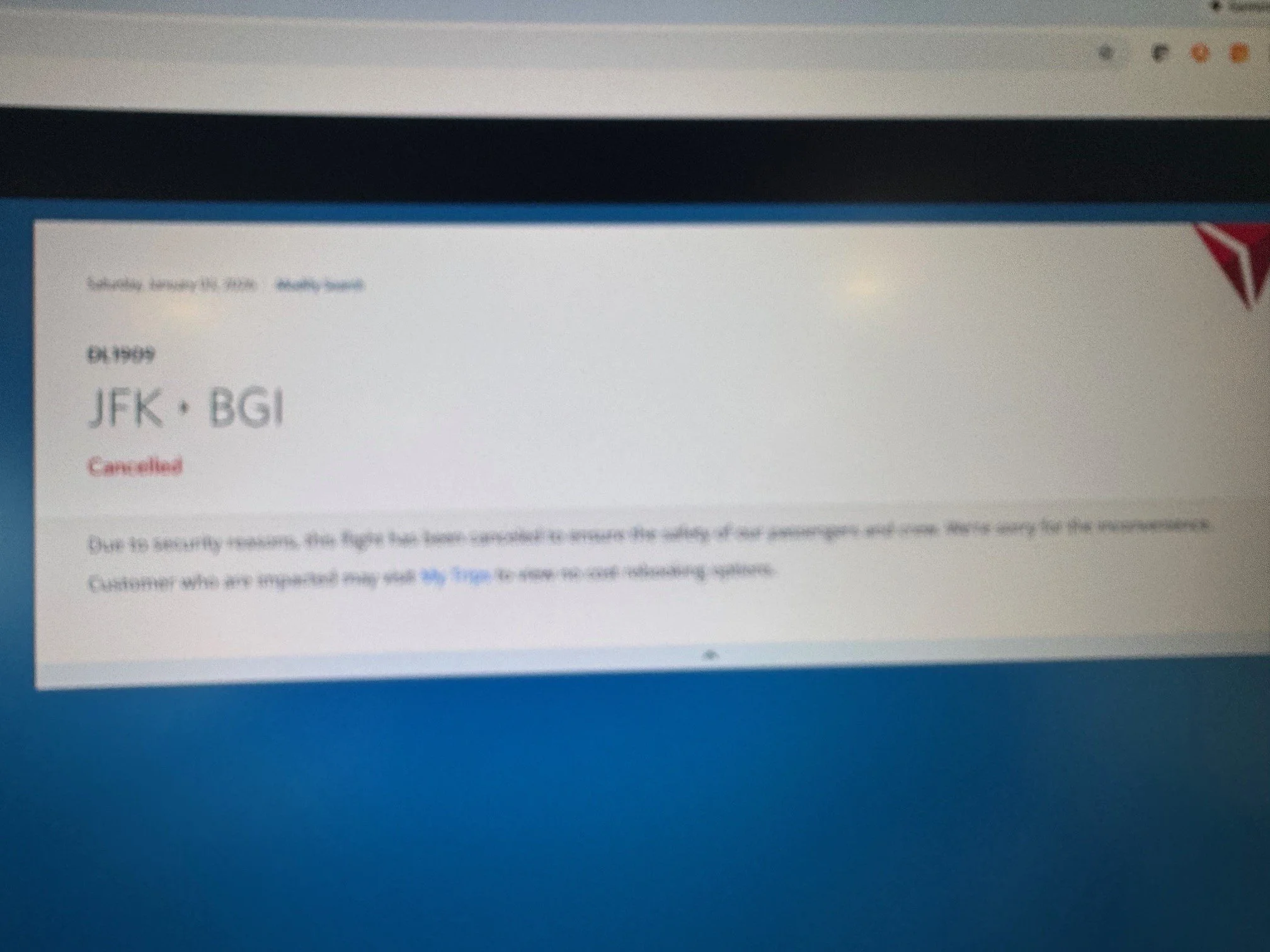
Always take screenshots of flight and cruise status updates as the day unfolds.
Airlines and cruise lines sometimes change the stated reason for delays or cancellations. A flight may initially show:
waiting for crew
mechanical
…and later be reclassified as:
weather
air traffic control
U.S. government restrictions or sanctions
The original cause often determines refunds, insurance coverage, and consumer protections. Once the reason changes in the system, earlier explanations can disappear. Screenshots preserve the timeline and the facts.
That matters later.
Step 1: The Airline
This was the cleanest part of the process.
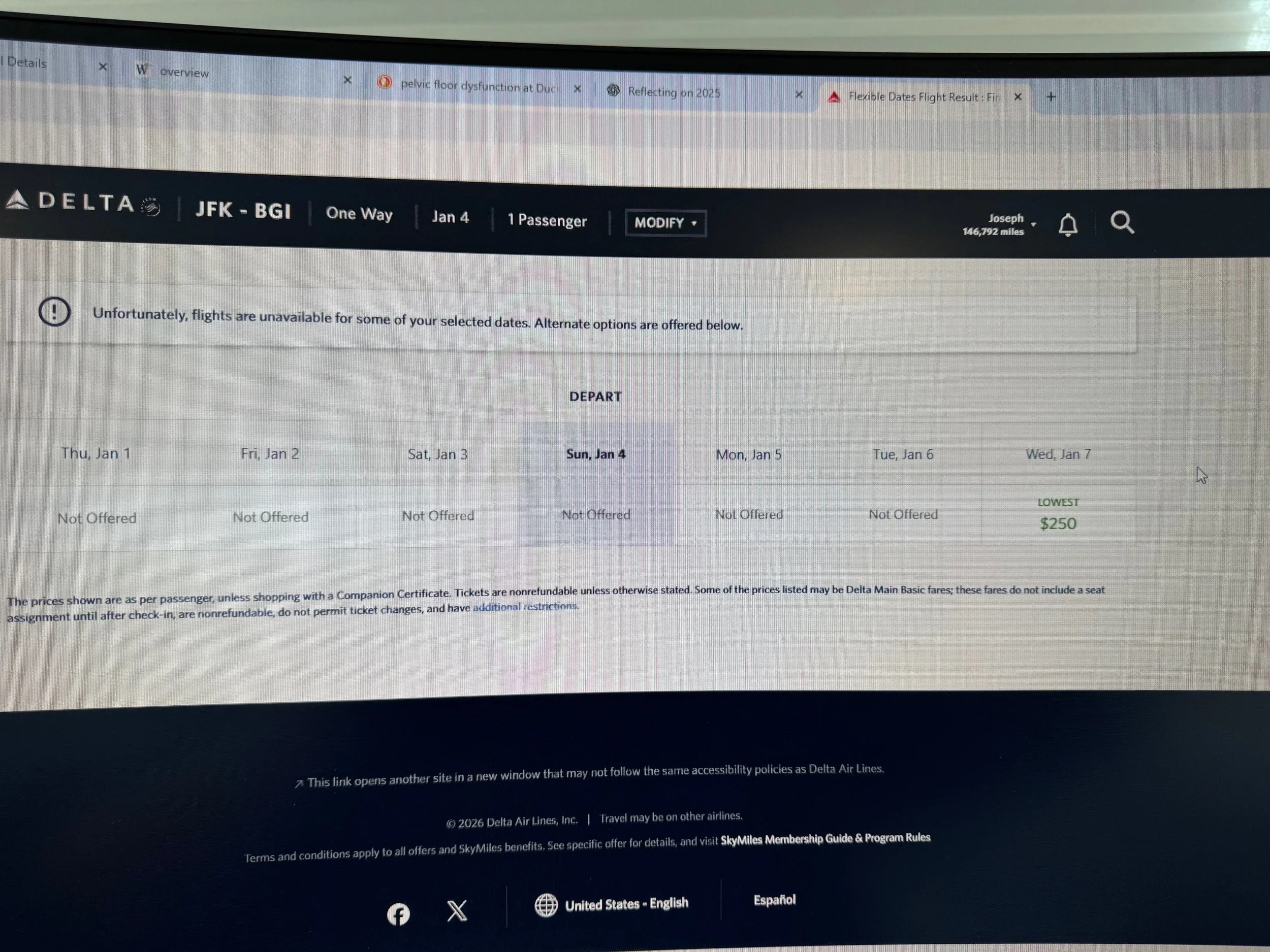
Kimberly’s flight was canceled by the airline. Because the cancellation was initiated by the carrier—not the passenger—the airline automatically refunded the ticket to her credit card.
No debate.
No forms.
No waiting.
This distinction is critical:
Airline-initiated cancellation = refund
Passenger-initiated cancellation = rules, fees, credits
In situations like this, it’s often best to take the refund, keep the transaction clean, and reassess later. You can always rebook. Since her airfare wasn’t insured anyway, this made the most sense.
One piece resolved.
Step 2: The Cruise Line (Windstar)
This is where the situation becomes far less predictable—and where the information gap becomes the real problem.
Before refunds, credits, or insurance even come into play, cruise lines must decide something fundamental:
If the ship itself is not in danger in the port it is currently in, and if passengers cannot reach the embarkation port in Barbados because flights across the Caribbean may take a day or two to stabilize, what happens next?
More specifically:
Does the cruise line keep the ship in port?
Are passengers already on board allowed to remain onboard?
Are arriving passengers permitted to embark once flights resume?
Does the ship simply depart one or two days late rather than cancel the sailing?
Or—
Does the cruise line cancel the cruise outright?
From the outside, a delayed departure may seem logical. In practice, this decision is governed by far more than operational convenience.
Cruise lines must weigh:
Port authority permissions
Insurance and underwriting requirements
Crew duty-time regulations
Fueling and provisioning contracts
Downline itinerary impacts and future sailings
Compliance with U.S. government restrictions or sanctions
Even when the ship itself is safe, legal, regulatory, and insurance constraints often override what might otherwise appear to be a reasonable delay-and-depart solution.
The Information Vacuum
At this stage, the cruise line is often overwhelmed and unable to provide immediate guidance. This is precisely when a real-time travel advisory should be automatically posted—a single, timestamped place for passengers to go for clear instructions on what they should and should not do.
Instead, travelers are left with the same unanswered questions:
Should we still try to make our way to the embarkation city?
Should we stay home?
Will the cruise be canceled, delayed, or rerouted?
These are not unreasonable questions. They are the basic questions everyone has while walking through an airport, sitting at a gate, or deciding whether to leave for the airport at all.
In this case, my client placed her first call to the cruise line more than four hours earlier, before the office was even open. I placed my own call more than two hours ago using the cruise line’s callback feature—and as of this writing, there has been no response.
So everyone is effectively standing around—waiting, guessing, trying to make decisions without information.
And that uncertainty matters.
Because if the ship ultimately departs a day or two later, there is a real possibility that passengers could fly the next day or the day after and still join the cruise as individual travelers in Barbados. But without knowing whether that option even exists, no one can responsibly decide what to do.
Kimberly had cruise insurance through Windstar, which is important. This disruption was not caused by the traveler, but by extraordinary external events—political unrest and regional safety concerns. In insurance terms, this typically falls under:
force majeure
acts beyond the traveler’s control
government-action disruptions
Once communication resumes, the immediate next steps are straightforward:
Confirm whether the sailing is officially canceled, altered, or suspended
Determine what Windstar is offering:
a full refund
future cruise credit
rebooking options
The question everyone ultimately asks
What happens to the cruise insurance premium?
In most cases:
If the cruise is canceled outright by the cruise line, the insurance may become moot
If the cruise is rescheduled or rebooked, insurance does not automatically transfer
Some insurers may apply the premium to a future booking; many will not
This is where documentation, timing, and judgment matter—and where having an experienced advisor matters even more.
An Important Clarification: Sanctions Don’t Need to Be on the Itinerary to Matter
Even if a cruise does not include Venezuela as a port of call, U.S. government restrictions or sanctions can still affect Caribbean itineraries.
When sanctions are issued or expanded, cruise lines must reassess legal compliance, insurance, fueling, provisioning, port permissions, and crew movement across the region.
As a result, cruises can be delayed, rerouted, or canceled even when the sanctioned country is not listed on the itinerary.
This is not discretionary. It is legal compliance.
Step 3: The Hotel (Booked Independently)
This is where things become murkier.
Kimberly booked her pre-cruise hotel independently because she found a better rate. That’s common—and often smart—but it does change the risk profile.
The hotel’s cancellation deadline had passed. She couldn’t travel, but technically, the hotel hadn’t done anything wrong.
What she did right:
Immediately emailed the hotel
Included her confirmation number
Explained the situation clearly and professionally
At this point, the outcome depends entirely on hotel discretion. Some refund. Some offer a credit. Some say no.
This is exactly where third-party travel insurance that covers hotels can make a meaningful difference.
Step 4: Ground Transportation (Uber)
Interestingly, Uber handled this perfectly.
Kimberly had scheduled an early-morning Uber to the airport. When the flight was canceled, Uber’s system notified her. She canceled within minutes and was not charged.
A small detail—but one less fire to put out.
Step 5: The Bigger Question — What Should Happen?
This cancellation wasn’t caused by indecision, illness, paperwork, or missed connections.
It was caused by world events.
In a fair and reasonable travel ecosystem:
Airlines refund when they cancel
Cruise lines offer refunds or penalty-free rebooking
Cruise insurance covers the event—or becomes unnecessary if the cruise is canceled outright
Hotels show flexibility when events are truly extraordinary
Insurance premiums are reviewed case by case, not automatically forfeited
Why I’m Documenting This in Real Time
I’m sharing this as it unfolds—not to complain, but to educate.
Because this is what travel actually looks like:
Not just brochures and bucket lists
But logistics, contracts, insurance, timing, and judgment calls
And sometimes, knowing what not to do next
I’ll continue to share updates as we see how the cruise line and insurers respond.
Watch for Part 2 once the cruise line responds and we see how this is ultimately handled.
History isn’t written after the fact.
History is written in real time.
#HistoryIsWrittenInRealTime
#HistoryIsReWrittenInRealTime
#JoeKnows