
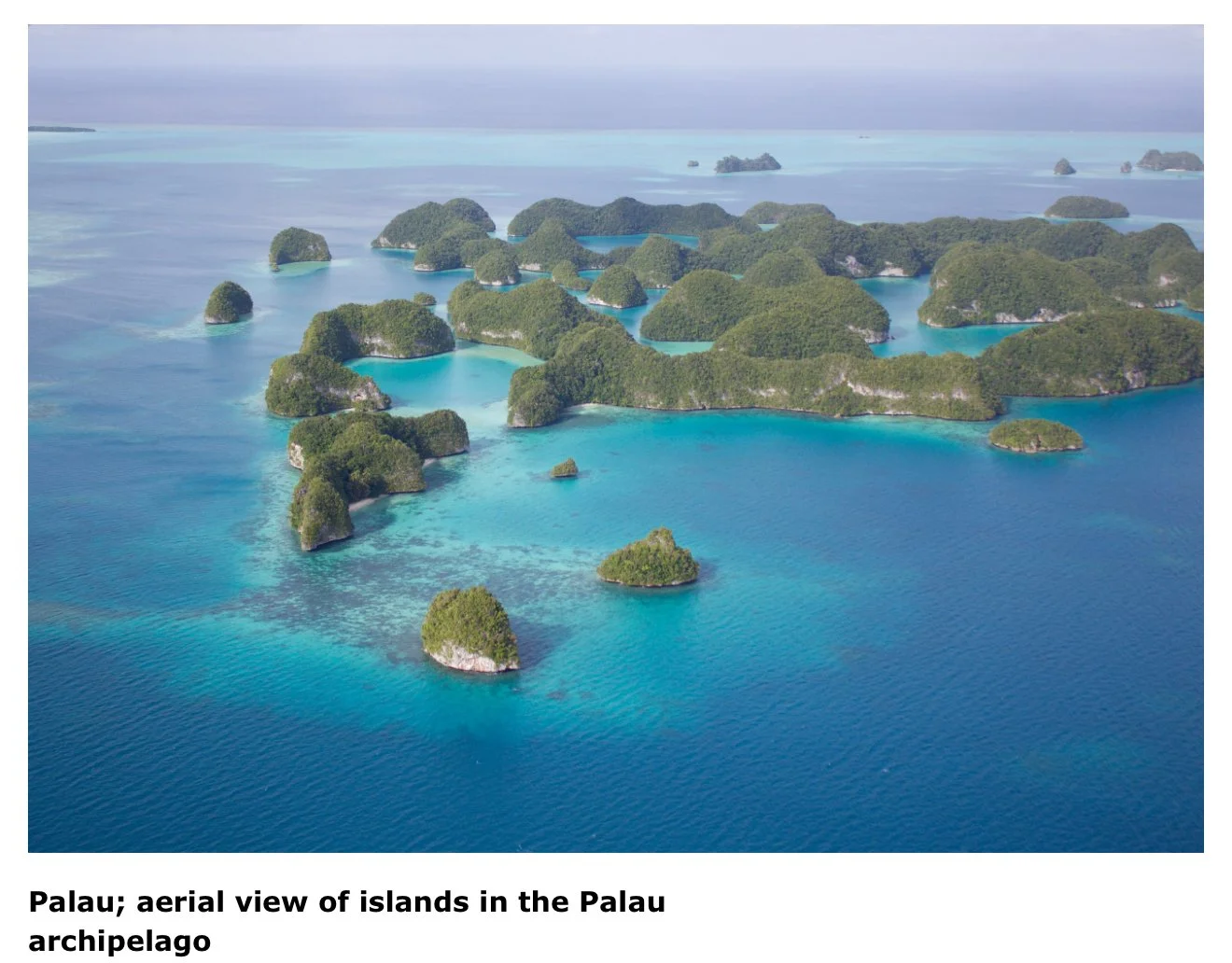

Palau: The Island That Makes You Promise to Be Good By Joe Lipman | Summit Management Services

There’s a small island nation in the western Pacific that quietly rewrites what it means to be a traveler. You won’t find a McDonald’s. You won’t see cruise ships lined up offshore. And when you arrive, the first thing you’ll do isn’t grab your luggage — it’s sign a promise.

Welcome to Palau, the only country in the world that requires visitors to take an environmental pledge stamped right into their passport. It’s a vow to protect their coral reefs, respect their traditions, and leave behind nothing but footprints that will wash away.

✈️ Getting There

Palau sits between the Philippines and Guam — remote, pristine, and worth every mile.

• From Newark (EWR): expect about $1,400–$1,600 round trip, connecting through Manila or Tokyo.

• From Los Angeles (LAX): usually $1,100–$1,400 round trip, with one or two stops via Honolulu, Guam, or Taipei.

It takes time to get there, but that distance is what keeps Palau special — it’s the kind of destination you earn.

🏝️ Staying There

Luxury in Palau doesn’t come in towering hotels — it comes with quiet beaches, world-class diving, and warm island hospitality.

• Mid-range hotels: $150–$250 per night.

• Upscale resorts: $300–$500 per night with ocean views, spas, and private lagoon access.

Most are on Koror Island, the lively heart of the country, where restaurants and dive shops line the waterfront.

🍍 Eating There

Island food blends local catch with Asian influences — think grilled tuna, coconut curries, and fresh fruit.

• Local meals: $10–$15

• Nicer restaurants: $50–$75 for two

It’s easy to eat well and eat fresh; everything feels tied to the sea.

🤿 What to Do

Palau is one giant natural aquarium:

• Jellyfish Lake – swim among thousands of non-stinging golden jellyfish.

• Blue Corner Wall – one of the most celebrated dive sites on earth.

• Rock Islands Kayaking – emerald limestone formations surrounded by turquoise lagoons.

• WWII Wreck Dives – haunting relics from the Pacific campaign.

• Cultural Tours – meet locals, visit traditional bai (meeting houses), and learn why respect runs deep here.

🌦️ When to Go

The dry season (Nov–Apr) brings calm seas and blue skies.

Shoulder months (May–Jul, Oct) offer slightly lower prices and lighter crowds — perfect for explorers who like value with their adventure.

💡 Why Palau Belongs on Your List

It’s not just another beach. It’s a mindset. Palau reminds travelers that paradise still exists — and that protecting it is part of the experience.

When a country greets you with a promise, you know you’ve arrived somewhere extraordinary.

And when you leave, it’s hard not to feel changed.

Because #JoeKnows… sometimes the farthest places take you closest to what travel is really about

Photos are for inspiration only and not my own. Credit to the rightful owners.
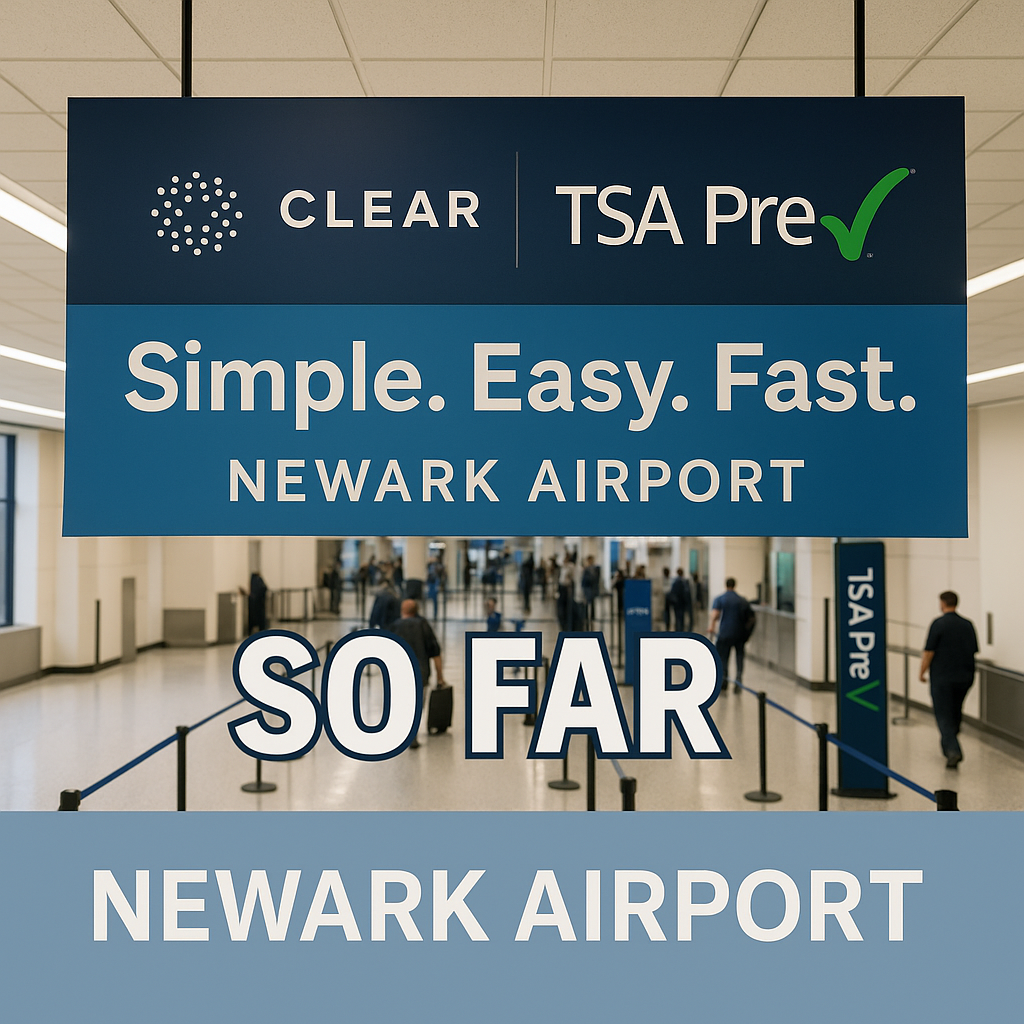
Friday- Early Morning Travel Report: Newark Airport, 5:48  AM

Left home at 3:30 AM and arrived at Newark Airport around 4:27. Parked at The Spot, waited 11 minutes for the shuttle, and reached the check-in area at 4:56 — just four minutes before the baggage cutoff for my 6:00 AM flight.

Thankfully, TSA PreCheck and CLEAR were a breeze this morning. Lines were short, new equipment either all facial recognition were available,  staff were courteous, and the process moved quickly. It was smooth sailing — at least for now-

But this is Day 1 of the 10 percent flight reduction affecting TSA and air traffic operations as the government shutdown drags on and federal employees continue working without pay. The effects may not be visible yet, or this morning but they will build as the day and weekend goes on.

#TravelTip 

If you’re traveling soon, plan extra time, stay calm, and thank those TSA and airport personnel who are still showing up and keeping the system moving despite the uncertainty.

#TravelTips #Aviation #GovernmentShutdown #TSA #AirportOperations #JoeKnows #incentiveTravel #AskMrLipman


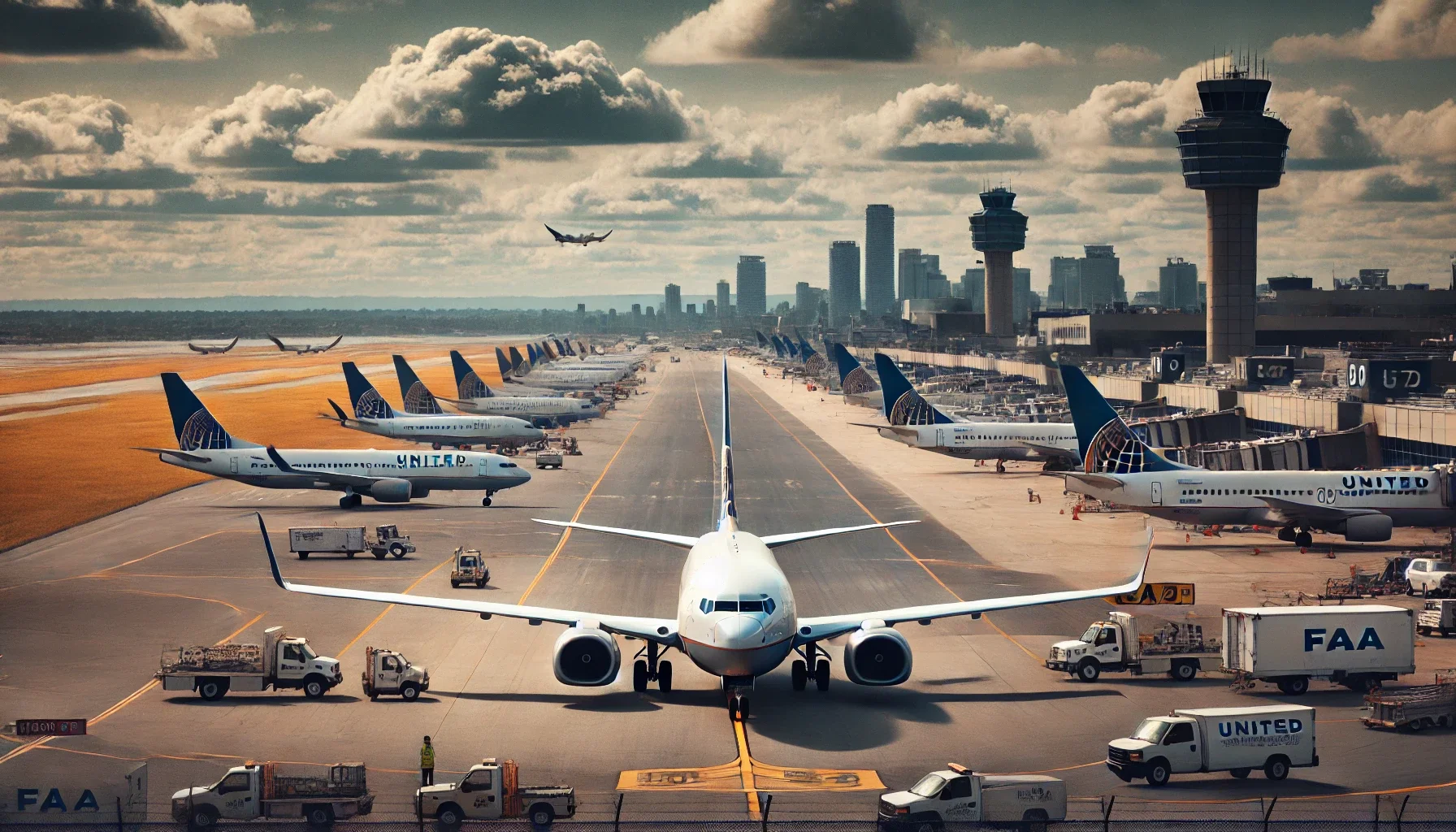
United Airlines Adjusts Service Amid FAA-Directed Reductions

Please be aware that due to the ongoing government shutdown, the FAA and DOT have instructed all U.S. airlines to reduce flight schedules across 40 major airports.

I’m traveling tomorrow… How about you?

United Airlines CEO Scott Kirby announced that while these cuts begin Friday, November 7, the airline will prioritize safety above all else — maintaining full operations on long-haul international routes and hub-to-hub service between Chicago, Denver, Houston, Los Angeles, Newark, San Francisco, and Washington Dulles.

Kirby emphasized transparency and flexibility:

  • Passengers will be notified promptly if flights are canceled.

  • The United app remains the best tool for real-time updates and rebooking.

  • Travelers who prefer not to fly during this period may request full refunds, even on non-refundable or basic economy fares.

Despite the adjustments, United expects to operate around 4,000 flights daily, offering more available seats than the peak summer period.

“No matter what environment we’re operating in, United will not compromise on safety,” said Kirby.

A balanced, transparent message from the top — steady leadership in a turbulent time.

#AviationNews #UnitedAirlines #TravelIndustry #Leadership #JoeKnows

Let’s Wake Up the Senior Spirit: One Story, One Smile, One Chapter at a Time

I was just thinking out loud....

Let’s Wake Up the Senior Spirit: One Story, One Smile, One Chapter at a Time

By Joe Lipman | Summit Management Services

Sometimes, all it takes to wake up the heart is a good story — your own.

For years, many of our parents and grandparents have carried extraordinary memories tucked away: moments from their childhood, their first job, their wedding day, the birth of a child, the funny neighbor, the miracle, the heartbreak, the triumph. These are the stories that shaped us — and it’s time they were told, shared, and celebrated.

The New Morning Routine: Sit, Reflect… and Let ChatGPT Help

You don’t have to be a writer to tell your life story — you just need to start talking.

Today’s technology makes it easier than ever. With tools like ChatGPT, seniors can simply sit back, speak their memories, and let the words flow.

They can:

Dictate or type their memories and ask ChatGPT to help organize them into chapters.

Send one short story each day to children, grandchildren, or friends — “A Chapter a Day.”

Watch those stories grow into a book, a family history, or even a movie script that keeps their legacy alive.

No deadlines. No stress. Just gentle storytelling — one memory at a time.

Add Photos — and Watch the Magic Happen

Bring them old photos. You know — all the people you don’t know, but would be nice if you did.

Pull out those boxes of black-and-white snapshots: the ones of grandparents on porches, aunts and uncles at weddings, or family picnics in places nobody remembers. Those pictures are the keys to a hidden library of stories waiting to be told.

Now, hand them the photo. Turn on ChatGPT and simply ask:

“Tell me a story about this picture — who are they, where was it taken, what was happening?”

Watch the expression on their face change as memories start to unfold — names, places, laughter, details that might have been buried for decades.

Then, take a snapshot of that photo with your phone or tablet, and type or paste their memory underneath it. Send it to family, friends, or coworkers. One picture at a time, you’re creating a living, breathing family history gallery.

Imagine how that changes a life — theirs and yours.

How to Get Started

Here’s a simple daily plan that works at home or in any senior facility:

Day 1: Pick one memory — a person, place, or event that made you smile.

Day 2: Describe it in a few sentences, then ask ChatGPT:

“Help me turn this memory into a story about my childhood.”

Day 3: Send that story to family or friends.

Day 4: Repeat with a new topic — memories, school, love, travel, work, or lessons learned along the way.

Within weeks, you’ll have a collection of stories and photos that bring your family history to life.

Family & Facility Involvement

This is where the magic multiplies. Families and caregivers can:

Set up a shared folder or email chain to collect each “chapter.”

Read stories aloud during visits or community gatherings.

Add old photos or build a wall collage with printed memories underneath.

Create a “Memory Wall” where new stories are displayed weekly.

Facilities can host “Story Hours” — time set aside for residents to share, listen, and laugh. These sessions turn a quiet afternoon into a community of living history.

Beyond the Book: Building the Legacy

What begins as a few stories can grow into:

A family tree, complete with photos and stories.

A documentary-style video, recorded on a tablet or phone.

A digital scrapbook of handwritten letters, recipes, or traditions.

A community anthology, where several seniors contribute chapters to one collective story — “The Town We Built.”

Each project becomes a bridge between generations — proof that our history isn’t just what happened, it’s what’s remembered.

Laughter, Connection, and Purpose

Storytelling and photo sharing bring more than nostalgia. They spark laughter, sharpen memory, and give seniors a reason to look forward to tomorrow’s story.

It reminds them — and all of us — that their lives still shape ours every day.

Final Thought

Let’s make this a movement.

Help seniors wake up the storyteller inside them.

Help families collect the memories that might otherwise be lost.

And help facilities embrace creativity, humor, and technology as tools for joy.

Because every senior has a story worth telling — and now, we finally have the tools to make sure it’s never forgotten. Teach our Seniors how to have fun without giving them an Amazon account.

#JoeKnows #SeniorLiving #Storytelling #FamilyHistory #LegacyBuilding #AgingWithPurpose #CommunityCare #IwishMomandDadHadThis #HistoryIsBeingRewritteInRealTime #HistoryIsBeingWritteInRealTime

After the Storm: Standing with Jamaica

This was an extremely tragic week for the Caribbean. A powerful Category 5 hurricane made a direct and devastating strike on the beautiful island of Jamaica, leaving behind widespread destruction, heartbreak, and uncertainty for so many families and communities.

As we watched this experience unfold, it brought back vivid memories of our own Category 5 Triple Storm — Superstorm Sandy — which ravaged the New Jersey shore more than a decade ago. For those of us who lived through it, the sights and sounds are still impossible to forget: the relentless wind, the darkness, and the quiet that followed. We remember what it feels like to lose power, property, and peace of mind all at once — and we remember how long the recovery really takes.

Today, we can certainly sympathize with the people of Jamaica and everyone touched by this disaster. Many have lost homes, businesses, and loved ones, and now face the long, painful process of rebuilding what was swept away in a matter of hours.

In the coming days, we’ll share more information about:

  • Current airport conditions and flight operations

  • Hotel closures and restoration updates

  • The state of tourism and local infrastructure

  • Ways travelers, suppliers, and partners can help

The Caribbean has always been one of the world’s most welcoming destinations — and Jamaica, in particular, has a warmth and resilience that has touched countless travelers over the years. Now it’s our turn to stand with them, to stay informed, and to help however we can.

Traveler Impact and Support Resources

The recent Hurricane Melissa — a Category 5 storm that struck Jamaica on October 28, 2025 — has had significant repercussions for travelers, hotels, and the island’s infrastructure.

What We Know So Far

  • All major international airports in Jamaica have reopened to commercial flights, but operations remain affected while damage assessments continue (AP News).

  • The death toll is rising; as of early November it has passed 30 and may increase further.

  • Many hotels and resorts are still undergoing repair, especially in the western and southwestern parts of the island (Half Moon Resort).

  • Travelers already in Jamaica are reporting extended stays and disruptions due to flight cancellations or hotel closures (WRAL News).

If You Have Upcoming Travel or Bookings

  • Contact your airline or travel agent immediately to confirm flight status and departure/arrival capability.

  • Reach out to your hotel or resort to verify whether it is fully operational, partially closed, or offering special terms/refunds due to the storm. For example, Half Moon Resort is offering flexible options for booked stays through December 15, 2025 (Half Moon Policy).

  • Review your travel insurance or booking terms: Many providers offer coverage for natural-disaster disruptions. If you did not purchase insurance, you may bear the cost of extensions, cancellations, or alternate arrangements (WRAL Coverage Guide).

  • If you are already on the island and departure is delayed, stay in touch with your hotel — many resorts are sheltering guests and coordinating logistics.

  • For trips scheduled later in the season, consider postponement or re-booking; some resorts are offering credits or flexible policies due to ongoing restoration.

  • Keep an eye on local infrastructure reports: even with airports open, road access and utilities may still be limited in some regions.

For additional destination-specific guidance, see The Times Travel Advisory.

Ways to Support the Recovery

  • Consider rescheduling travel for later in the year when safe — continued visitation helps sustain jobs and rebuild the economy.

  • Support local relief funds like Half Moon’s Spirit Fund, created for staff and families affected by the storm.

  • Purchase from local vendors — crafts, tours, dining — to keep money circulating within affected communities.

  • Share constructive feedback or experiences with hotels, tour operators, and travel networks to help guide transparent recovery planning.

By staying informed, compassionate, and patient, travelers and professionals alike can help Jamaica heal — not just as visitors, but as partners in the long road to recovery.

Our Commitment Moving Forward

In the wake of this devastating storm, we understand that many group travel plans have been disrupted. As part of our commitment to support recovery and resilience, we are offering flexible options and dedicated assistance for group reservations affected by the hurricane. Whether you're rescheduling a wedding, corporate retreat, or family reunion, our team is here to help you rebook with ease, secure new dates, and navigate any travel adjustments needed.

We believe in the strength of Jamaica and are proud to stand by our community and guests as we rebuild together. For personalized assistance, please reach out to Joe Lipman, President, at joe@summitmgt.com — we’re here to help you move forward with confidence and care.


— Joe Lipman
Summit Management Services


#JoeKnows #IncentiveTravel #SMSBlog #TravelNews #Jamaica #HurricaneMelissa #TravelUpdates #SummitManagementServices #StayStrongJamaica


The Ultimate 125-Hour Journey — Paris to Istanbul on the Venice Simplon-Orient-Express

Few experiences in life blend history, luxury, and storytelling like this one. The Venice Simplon-Orient-Express takes travelers from Paris to Istanbul across five unforgettable nights and 125 hours of pure wonder. It’s not simply a train — it’s a time capsule rolling through the soul of Europe.

Route & Highlights

Departing September 26, 2025, from Paris Gare de l’Est, this legendary route carries guests through:
Paris → Budapest → Bucharest → Varna (Bulgaria) → Istanbul, pausing in grand capitals and along the Black Sea coast.

  • Day 1: Board in Paris mid-afternoon. Dinner onboard as the train glides through France toward Austria.

  • Day 2: Arrive in Budapest for a private city tour and an overnight stay along the Danube.

  • Day 3: Continue into Romania, with fine dining and onboard entertainment.

  • Day 4: Stop in Sinaia to explore the breathtaking Peles Castle, then travel to Bucharest for an elegant hotel stay.

  • Day 5: Journey through Bulgaria, pausing in Varna on the Black Sea before your final gala dinner onboard.

  • Day 6: Cross into Turkey and arrive in Istanbul to a Turkish breakfast and a champagne welcome.

Before and After the Journey

Start your adventure with a stay at Hotel Whistler (steps from Gare de l’Est) or indulge in true Parisian glamour at The Ritz Paris.
End it where the legend lives on — at the Pera Palace Hotel, built for original Orient Express passengers, or the Four Seasons Sultanahmet, just steps from Hagia Sophia and the Blue Mosque.

Pricing & Exclusivity

Historic Cabins begin around US $24,100 per person, while opulent suites can exceed US $48,000–$80,000, offering private en-suite baths, personal service, and 1920s Art Deco elegance.

Watch the Journey

Click here for the video: https://tinyurl.com/26a2ect4

Why It Belongs on Your Incentive Travel List

For corporate leaders and incentive planners, this voyage defines experiential reward — combining cultural discovery, exclusivity, and the artistry of travel itself. It’s a perfect example of how luxury experiences can inspire teams, strengthen loyalty, and turn recognition into lifelong memory.

At Summit Management Services, we design custom incentive programs that elevate success into story — where every journey, from Paris to Istanbul or beyond, reflects the people and purpose behind it.

📩 Plan your next incentive journey with Summit Management. Let’s turn performance into experience — and travel into legacy. Call Joe 973-390-1736

#JoeKnows #IncentiveTravel #LuxuryEvents #SummitManagement #ParisToIstanbul #OrientExpress #CorporateIncentives

When Time Is Tight For Putting Your Meeting Together, We Build It Anyway

Tough meetings feel a lot like building a house: by the time approvals land, the clock is already ticking. That’s when someone has to step up, own the plan, and deliver—on time and on budget. That’s what Summit Management does.

How we mobilize fast:

  • Rapid intake & scoping: same-day requirements, priorities, and constraints.

  • One captain, many crews: single point of contact; logistics, AV, content, registration running in parallel.

  • Production-first mindset: templates, checklists, and vendor networks ready to go.

  • Live QA: real-time testing of agendas, decks, signage, and attendee flows.

  • Budget discipline: transparent estimates, change logs, and hard holds on critical path items.

  • Daily stand-ups: issues solved before they become delays.

What you can tap us for—à la carte or end-to-end:

  • Air travel budgeting & optimization (routes, classes, waivers, name changes, group contracts).

  • Contract review & negotiation (hotel, AV, venues) with clear risk flags and savings options.

  • Direction-only consulting if you just need a seasoned hand to evaluate, right-size, and steer.

Result: clean execution under pressure—rooms, run-of-show, registration, ground, F&B, and onsite support—so your team focuses on outcomes, not firefighting.

If you need a meeting turned around quickly—and done right—Summit will get it built.

Joe Lipman
Summit Management Services / Cedar Grove Travel Inc.
973-390-1736
#InvestigatorMeetings #Meetings #Incentive #AskMrLipman #AskRob #AskClaudette #JoeKnows

Europe’s Entry–Exit System (EES) Is Live: What Travelers Should Expect Now

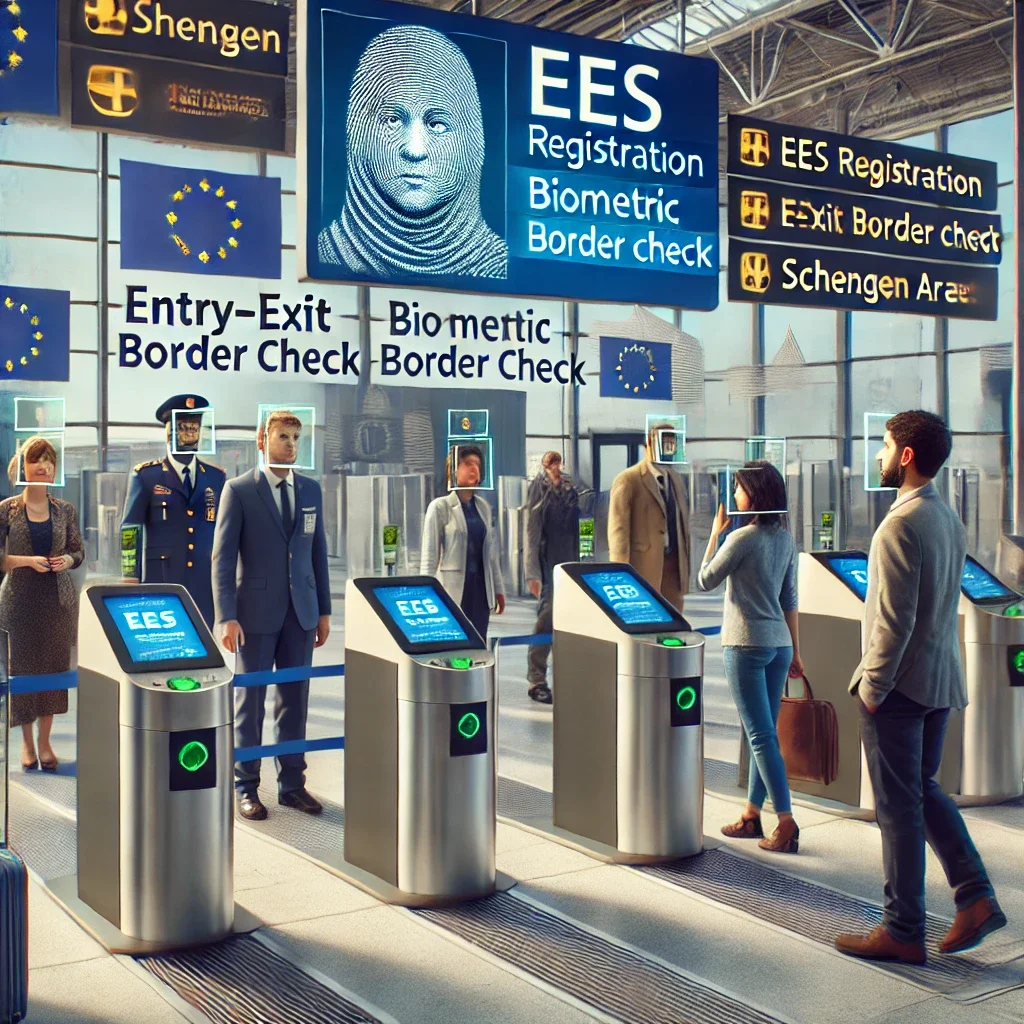
After several delays, the EU’s Entry–Exit System (EES) launched 12 October. It introduces biometric border checks for all non-EU travelers entering the Schengen area.

What happens at the border

  • First trip after launch: You’ll register fingerprints and a facial image on arrival (visa-free travelers included).

  • Children under 12: Photo only; no fingerprints.

  • Later trips: Automated facial recognition should clear most travelers in under two minutes—no more manual passport stamps once fully deployed.

Where and when it applies

  • EES will replace passport stamping across 29 participating countries. Ireland and Cyprus are not part of EES.

  • The system is free for travelers and is slated to be fully operational by 10 April 2026 at international airports, major land borders, and seaports.

  • Rollout varies by country. Prague is currently the largest hub running EES end-to-end, though reports note queues up to 90 minutes during the transition.

Why the EU is doing this

  • EES will automatically track the 90/180-day rule for visa-free visitors, tightening overstay controls while aiming to speed up compliant travelers.

What’s next: ETIAS

  • The European Travel Information and Authorization System (ETIAS) is planned for late 2026.

  • Travelers from visa-exempt countries will complete an online form and pay €20. Approvals last three years or until the passport expires, whichever comes first.

  • Together, EES now and ETIAS later are designed to deliver stricter control with smoother flows once fully in place.

The Power of AI and the New Way We Navigate IMEX

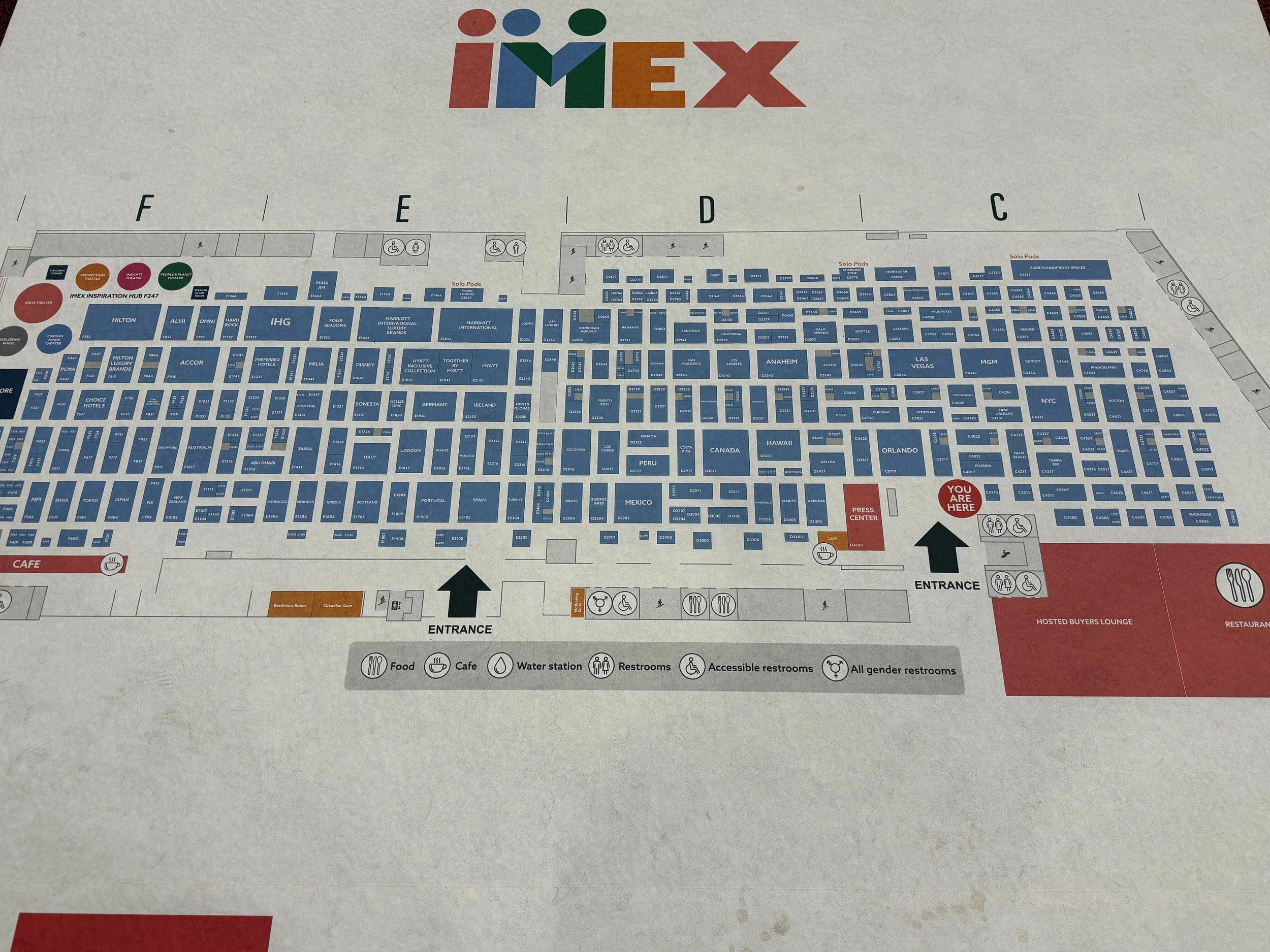
This year at IMEX America, I realized something the moment I looked at the floor plan — booth E2352 to booth C4834 looks like a short stroll on paper, but in real life it’s a maze of aisles, conversations, and opportunities.

And since the Internet was unreliable and the mapping feature on the app didn’t work well, having an offline version of the map turned out to be a lifesaver. It reminded me that even with all our technology, having smart, accessible tools — powered by AI or not — can make all the difference in how we move through a complex environment.

That moment really drove home how AI is transforming our industry. Whether it’s tracking who you’ve met, transcribing notes in 27 languages, or guiding attendees from Hilton to Hyatt faster than ever, artificial intelligence isn’t just a tool anymore — it’s a practical partner for productivity, hospitality, and clarity.

Here’s a short list of the real-world ways AI is already reshaping meetings, incentives, and hospitality management today:

• Note Taking & Summaries: Instant meeting recaps, multilingual transcripts, and searchable archives of what really mattered — all done in seconds.

• Session Moderation: Automated Q&A handling, live polling, and sentiment tracking.

• Hospitality Desk & Escorting: AI concierges that help attendees find sessions, answer questions, or provide walking directions across venues.

• Signage & Directional Updates: Smart signage that adjusts in real time — no more printed last-minute changes.

• Budgeting & Forecasting: Predictive analytics that flag overages and forecast travel or F&B costs more accurately.

• Presentation Design: Generative tools that create visuals, storylines, and branded slides in minutes.

• Attendance Analytics: Automated check-in and data visualization tools that show attendee flow and engagement.

Have you noticed how few business cards were exchanged this year?

The new IMEX badge system was a huge step forward — quick scanning, instant data exchange, and built-in note-taking capabilities that made it easier to keep track of who you met and what you discussed. For anyone trying to stay organized after a long day of networking, that feature alone was a game-changer.

From booth E2352 to C4834, what seemed like a simple path across the convention floor became a reminder that AI — like a great map — helps us find our way through the noise.

At Summit Management Services, we’ve spent decades navigating the details that make meetings, incentives, and global programs succeed. What’s exciting now is how AI is giving us new tools to do it smarter — saving time, improving accuracy, and allowing our teams and clients to focus on what really matters: connection, creativity, and results.

Let’s keep the conversation going — how are you using AI in your event planning or travel management process?

— Joe Lipman

Summit Management Services

#JoeKnows #MeetingPlanning #SummitManagementServices #IncentiveTravel #AskMrLipman #AskRob


Shaka Guide: Turning Road Trips Into Storytelling Adventures


If you’ve ever driven through a national park or scenic byway and wondered about the stories behind the landscapes, the Shaka Guide app (https://www.shakaguide.com) is one of the best travel companions you can have. It’s not just navigation—it’s like having a local guide sitting in the passenger seat, pointing out the hidden history, legends, and sights you might otherwise miss.


What Shaka Guide Offers

Shaka Guide works through downloadable audio tours, triggered by GPS as you drive. The app automatically plays stories, directions, and travel tips based on where you are, which means you can keep your eyes on the road while still learning about the world around you.


The narration is engaging and lighthearted—part history, part storytelling, part practical advice. You’ll learn details you’d never find in a traditional guidebook: from geological wonders to quirky local legends, and even the best spots to pull over for photos or short hikes.


Recent Experiences in Utah’s National Parks

Just yesterday, I used Shaka Guide while exploring Bryce Canyon, and today at Capitol Reef. The commentary completely changed the way I saw these places. Instead of just staring at cliffs and rock formations, I was listening to how they formed, what they meant to early inhabitants, and how travelers in the past might have experienced them.


The best part? The app never feels like a lecture. It’s conversational and fun, often mixing humor with cultural tidbits and practical driving directions.


Beyond the Mainland: Hawaii and More

My first introduction to Shaka Guide was in Hawaii, where it’s especially popular. Driving the Road to Hana or exploring the Big Island with the app made the trip feel richer, more immersive, and far more connected to the culture. Ever since then, I’ve been on the lookout for their tours everywhere I travel.


Why Travelers Should Try It

• Affordable – Much cheaper than hiring a private guide.

• Flexible – Start and stop whenever you want.

• Informative – Learn hidden history, culture, and nature facts.

• Offline Ready – Download the tours ahead of time so you’re covered even in areas with no signal.

Shaka Guide has turned my drives into experiences I’ll remember. If you’re heading to a national park, Hawaii, or any destination where they offer tours, I highly recommend downloading the app before you go.


Learn more and download at https://www.shakaguide.com

#Shakaguide #JoeKnows #IncentiveTravel #AskMrLipman #AskRob 

Government Funding Lapse: Travel and Public Access Impacts

Quick Summary:

At times like these, when reservation systems are overloaded and airline or government websites don’t always tell you what you need to know, a skilled travel advisor can see a multitude of options — the difference between finding a hotel room or securing another flight.

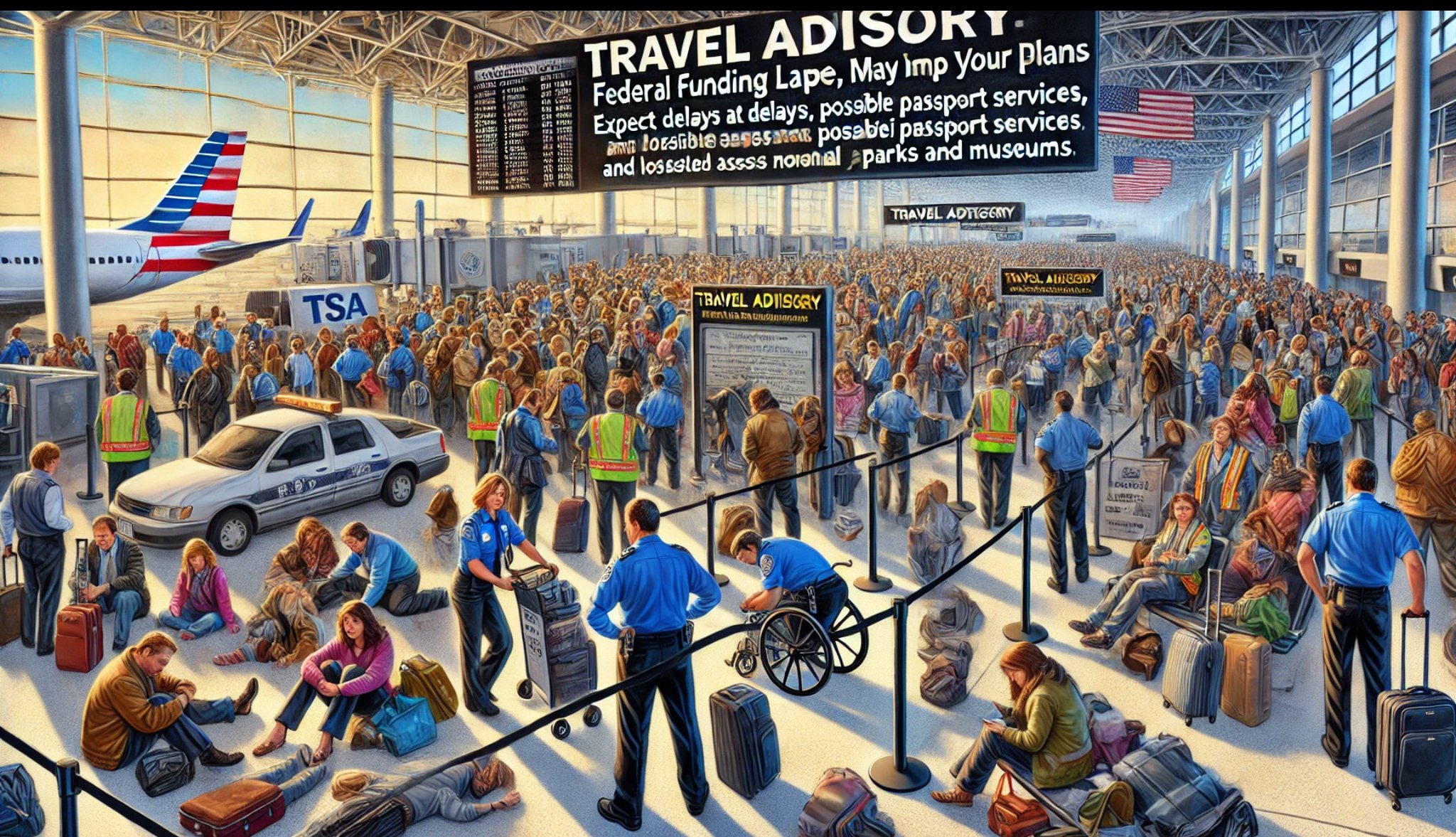
A lapse in federal funding has triggered interruptions in some services, raising concerns for travel, public access, and staffing across multiple agencies.

Key Points

   •   Travel Security:

Transportation safety officers and flight control staff will remain on duty, though without pay. If prolonged, this could cause staffing shortages, longer lines, and possible delays.

   •   Documentation Services:

Passport processing and Trusted Traveler programs are still operational but may slow down if staffing gaps grow or resources dwindle.

   •   Public Spaces:

National parks and federally supported museums may stay partially accessible at first, but services and access could be reduced or suspended with little notice if conditions worsen.

What to Watch For

   •   Extended lines, possible delays, or cancellations due to staff shortages in airports.

   •   Slower turnaround for travel documents and applications.

   •   Sudden closures or limited access at parks and cultural sites depending on safety and staffing levels.

Read the full article from The Points Guy here: TPG – Government shutdown travel impacts (https://thepointsguy.com/news/government-shutdown/?utm_source=chatgpt.com)

#Joeknows #AskMrLipman #IncentiveTravel #AskRob 

L'Shana Tova – Warm Wishes from Summit Management Services

From all of us at Summit Management Services, we want to take a moment to wish you and your families a wonderful and peaceful Rosh Hashanah - a New Year filled with love, meaning, and renewal.

A Brief History:


Rosh Hashanah, which means “Head of the Year,” is the Jewish New Year and marks the beginning of the High Holy Days. It is both a celebration and a time for reflection, dating back to biblical times. Traditionally, the holiday is observed with the sounding of the shofar (ram’s horn), festive meals featuring symbolic foods like apples dipped in honey, and prayers focused on renewal, forgiveness, and hope for the year ahead.

For those of you participating, may you enjoy these special days surrounded by family and friends, and may the year ahead be one of health, happiness, and success.

L'Shana Tova!
Warmly,
All of us at Summit Management Services

#EventPlanning #MeetingManagement #CorporateEvents #SummitManagement #EventStrategy #VenueManagement #VIPCoordination #OnSiteManagement #Meeting2024 #Meeting2025 #InternationalEvents #InternationalMeetingPlanner #JoeKnows #ClaudetteKnows #RobKnows

#AskMrLipman #MeetingExpert 

Delta Airlines: From Southern Hospitality to Sky-High Change

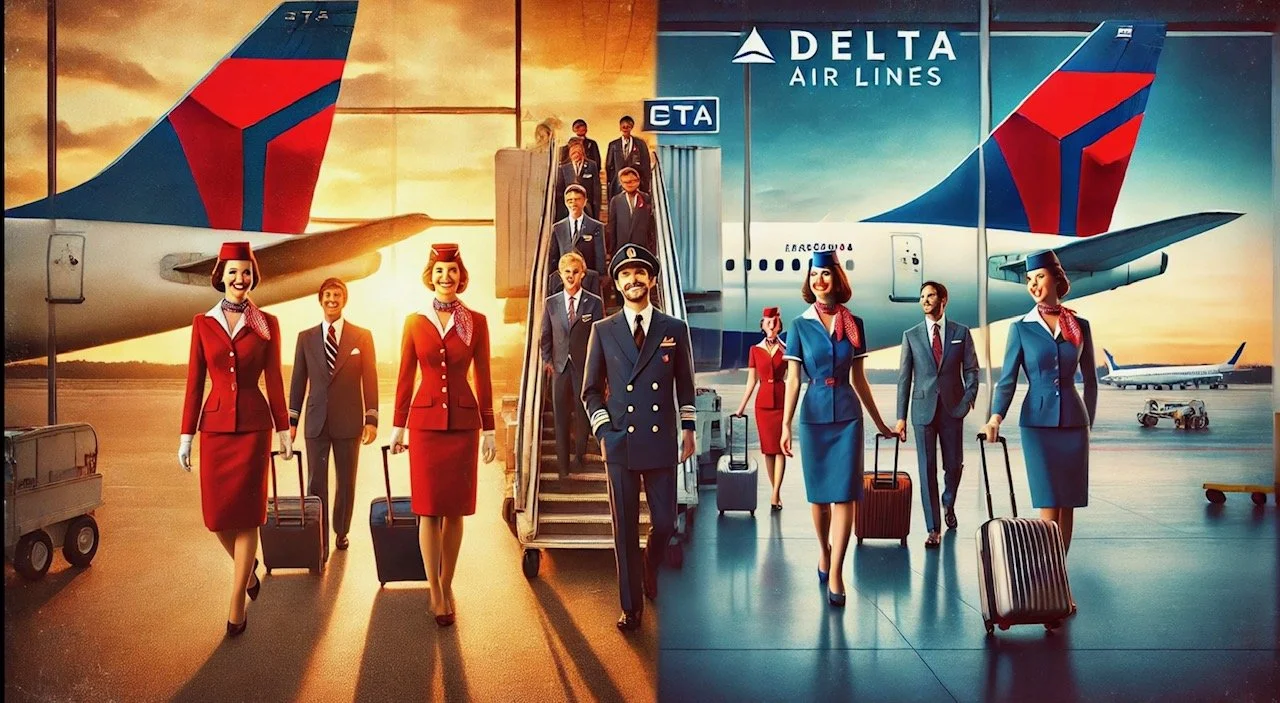
Do you remember it? Delta Air Lines — back when stepping onto a plane felt like stepping into an occasion. It was the airline that combined Southern hospitality with dependable service, based proudly out of Atlanta, Georgia.

It wasn’t always a global player. In 1924, Delta began as Huff Daland Dusters, an agricultural crop-dusting outfit in Macon, Georgia. By 1929, it had rebranded as Delta Air Service and was flying passengers in its first commercial aircraft — the Travel Air S-6000B — between Dallas, Texas, and Jackson, Mississippi. Atlanta became its home in the 1940s, and from there, the airline grew into one of the most respected carriers in the United States.

The Travel Agent Break-Up

For decades, travel agencies were the lifeblood of Delta’s passenger business. Agents booked everything from corporate trips to family vacations, filling the seats of Delta jets worldwide. This relationship was cemented through commission payments — typically 10% of a ticket’s cost.

But in 1995, Delta made a bold and controversial move: it capped those commissions at $50 on domestic tickets. Within a few years, it eliminated base commissions altogether. The reasoning was simple — cut distribution costs and sell directly to travelers via call centers and the rapidly emerging internet.

For the agencies, it was a body blow. After years of building Delta’s brand and customer base, they suddenly found themselves cut out of the revenue stream. It was the beginning of a new era in which airlines went their own way, and loyalty between carriers and agencies unraveled.

Deregulation and the Price Paradox

Before 1978, the Civil Aeronautics Board (CAB) regulated routes, fares, and schedules. This meant airlines competed more on service than on price — and Delta excelled. Coach class came with meals served on china, wide seats, and attentive crews who had the time and freedom to make travel feel special.

When deregulation arrived, competition exploded. Prices on many routes fell, giving millions more Americans the chance to fly. But it came at a cost — bankruptcies, mergers, and deep cuts to service standards.

The strange twist? On certain routes, fares today are similar to what they were in the late 1970s — without adjusting for inflation. For example:

• Newark–Miami

• JFK–Miami

• LaGuardia–Miami

In the 1970s, regulated one-way fares on these routes ran about $125–$150. Adjusted for inflation, that’s $600+ today — yet you can still find base fares for $150–$200. The price looks the same, but the experience is nowhere near what it was.

Then vs. Now: Service in the Skies

Then:

• Wide, comfortable seating with extra space.

• Complimentary hot meals served on real dishes.

• Gate agents and crews who recognized frequent flyers by name.

• Flights that felt more like a social occasion than a transaction.

Now:

• Tight seat pitch and full flights.

• Buy-on-board snacks replacing complimentary meals.

• Crowded boarding gates and rushed turnarounds.

• Fewer frills, more fees.

There are still bright moments — a kind flight attendant, a smooth on-time arrival — but the grandeur of air travel’s golden age is a fading memory.

Was Regulation Better?

Regulation brought stability, predictable fares, and a focus on passenger comfort — but at a price point that limited air travel to the middle and upper classes. Deregulation democratized the skies, allowing more people to fly more often, but it also pushed airlines toward cost-cutting, consolidation, and a less personal travel experience.

Delta’s journey — from a six-passenger Travel Air to a global network spanning six continents — reflects the transformation of the entire U.S. airline industry. The soul of Southern hospitality is still there, but the business realities of modern aviation have reshaped what flying means.

Closing Thought: Next time you see a Delta tail on the tarmac, remember: that logo has flown through nearly a century of change — from dusting crops in Georgia to navigating the turbulence of deregulation and beyond.

#DeltaAirLines #AirlineHistory #AviationHistory #GoldenAgeOfFlight #SkyHighChange #FromCropDustToJets #AirlineEvolution #JoeKnows #IncentiveTravel #AskMrLipman  #LuxuryResorts


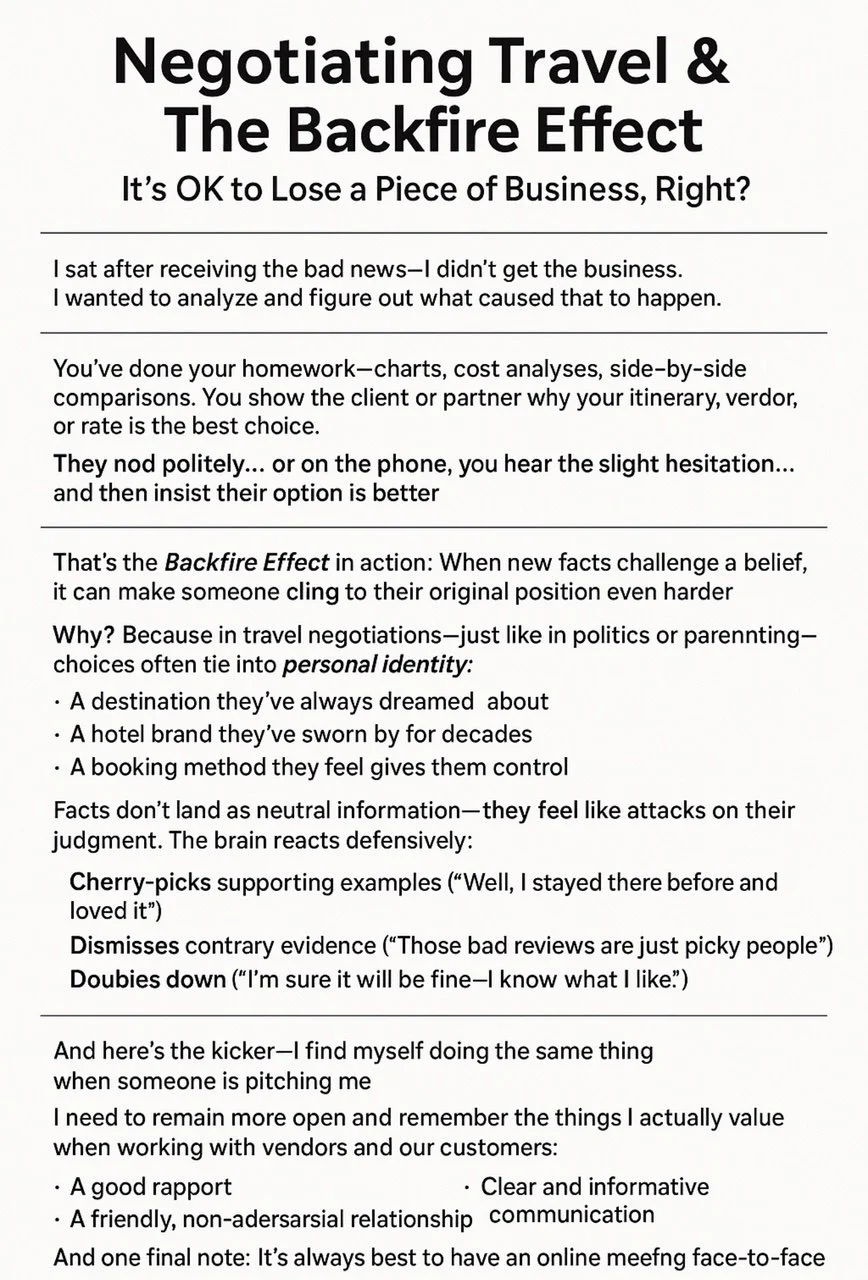
Negotiating Travel & The Backfire Effect — It’s OK to Lose a Piece of Business, Right?

I sat after receiving the bad news — I didn’t get the business.
I wanted to analyze and figure out what caused that to happen.

The truth? I may have been so focused on showing the other side my facts, my charts, and my “perfectly reasoned” proposal that I forgot something crucial: people rarely change their minds when they feel they’re being cornered.

You’ve done your homework — charts, cost analyses, side‑by‑side comparisons.
You show the client or partner why your itinerary, vendor, or rate is the best choice.
They nod politely — or better yet, if it’s over the phone, you catch that tiny hesitation in their voice, that fractional pause that says they’re not convinced… even before they say a word.
And then they insist their option is better.

That’s the Backfire Effect in action:
When new facts challenge a belief, it can make someone cling to their original position even harder.

Why?
Because in travel negotiations — just like in politics or parenting — choices often tie into personal identity:
        •       A destination they’ve always dreamed about
        •       A hotel brand they’ve sworn by for decades
        •       A booking method they feel gives them control

Facts don’t land as neutral information — they feel like attacks on their judgment.
The brain reacts defensively:
        •       Cherry-picks supporting examples (“Well, I stayed there before and loved it”)
        •       Dismisses contrary evidence (“Those bad reviews are just picky people”)
        •       Doubles down (“I’m sure it will be fine — I know what I like”)

So what works instead?

Instead of pushing facts harder, shift the dynamic:
        1.      Ask curious questions
        •       “What’s most important to you on this trip — relaxation, exploration, or convenience?”
        2.      Create space for reflection
        •       “Let’s keep both options on the table and see what fits your vision best.”
        3.      Invite them into the process
        •       “If we blend your idea with mine, we might land on the perfect plan.”

And here’s the kicker — I find myself doing the same thing when someone is pitching me.
I need to remain more open and remember the things I actually value when working with vendors and our customers:
        •       A good rapport
        •       A friendly, non-adversarial relationship
        •       Clear and informative communication

Those are the elements that create the kind of trust where deals get done.
They’re not just nice-to-haves — they’re the real foundation of a good working relationship.

And one final note: whenever possible, it’s always best to have an online meeting face‑to‑face. Seeing each other — even virtually — builds rapport, reduces misunderstandings, and often makes it easier to spot the hesitation or concerns before they become deal-breakers.

 #JoeKnows #AskRob #GroupTravel #IncentiveTravel  #NextNormalMeetings #InvestigatorMeetings #MedicalMeetings

PS. Do you have a meeting I can help with? Email me at Joe@summitmgt.com

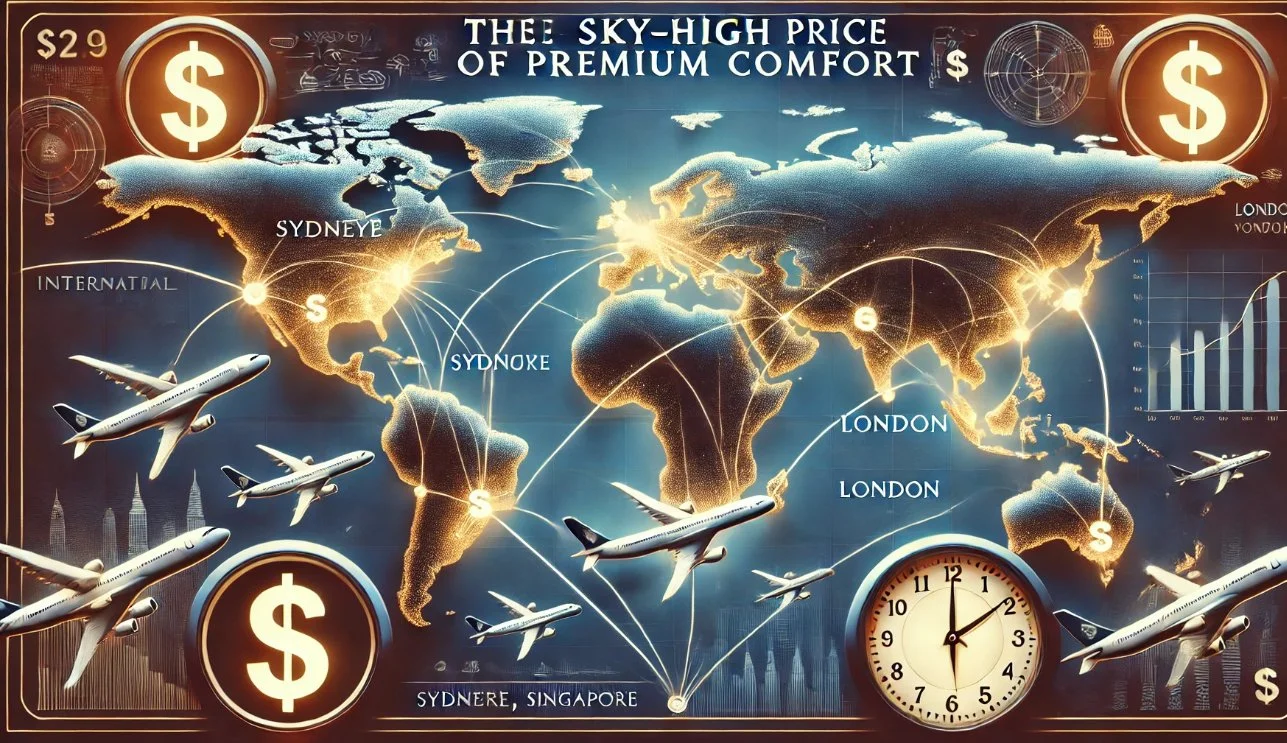
The Ultra-Long-Haul Revolution: Qantas, Singapore Airlines, and the Sky-High Price of Premium Comfort

Qantas is aout to change the map of commercial air travel. Under its ambitious Project Sunrise initiative, the Australian carrier is preparing to launch nonstop flights from Sydney to New York and London—each of them expected to exceed 10,000 nautical miles and last up to 21 hours in the air. These flights, which will claim the title of longest commercial routes ever flown, are scheduled to begin in 2026, using specially configured Airbus A350-1000ULR aircraft.

But what makes Project Sunrise notable isn’t just the distance—it’s the intent. Qantas aims to offer a full four-class experience, including First, Business, Premium Economy, and a redesigned Economy cabin, along with an in-flight wellness zone and circadian lighting to reduce jet lag. These flights will literally redefine the limits of human endurance in the sky—and passengers will pay accordingly.

Singapore Airlines: The Current Champion

Until Qantas takes the crown, the title of the world’s longest commercial flight still belongs to Singapore Airlines with its nonstop service between Singapore (SIN) and New York (JFK and EWR).

• Route: Singapore–New York

• Distance: 9,537 nautical miles (10,950 miles / 17,700 km)

• Flight time: Up to 18 hours, 50 minutes

This marathon route is operated by the Airbus A350-900ULR, but what’s most striking is its configuration: no economy seats at all. The cabin features only 67 Business Class and 94 Premium Economy seats—161 total passengers on a jet that could hold over 300.

Singapore Airlines made a bold economic choice: this flight caters exclusively to premium travelers. Fewer seats mean less weight, better fuel efficiency, and higher revenue per square foot. And passengers get what they pay for—spacious seating, upgraded meals, luxury amenities, and seamless ground service.

Dig Deep into the Pocketbook: Flying Premium Has Never Cost More

We’ve entered a new era in aviation—where the ability to fly far is matched only by the cost of flying well. Consider this:

Not long ago, you could buy a First Class “around-the-world” ticket for $6,700. That included multiple stopovers, first-class lounges, impeccable onboard service, and global flexibility.

Today, that same $6,700 may not even get you a single business class round trip from New York to Singapore. And an actual first-class “RTW” itinerary? You’ll likely need $25,000–$40,000.

Current Premium Fare Benchmarks (Round Trip):

Singapore Airlines Business Class (SIN–NYC): $6,000–$9,500

• Singapore Airlines Premium Economy (SIN–NYC): $2,200–$3,800

• Qantas Project Sunrise (Expected):

• First Class: $10,000–$20,000

• Business Class: $6,500–$11,000

• Premium Economy: $2,500–$4,000

• Economy: $1,400–$2,200

• Emirates First Class (NY–DXB): $9,000–$13,000

• United Polaris (SFO–SIN): $4,000–$6,500

• Cathay Pacific Business (HKG–NYC): $5,000–$8,000

Longest Commercial Flights (By Distance):

Rank, Route, Airline, Distance (nm) ,Time (hrs)

  • 1 - Singapore – New York (JFK/EWR), Singapore Airlines, 9,537 nm, ~18h 50m

  • 2 - Perth – London, Qantas, 7,829 nm, ~17h 30m,

  • 3 - Dallas – Melbourne, Qantas, 8,992 nm, ~17h 30m

  • 4 - Auckland – Dubai, Emirates, 7,668 nm, ~17h 10m

  • 5 - Los Angeles – Singapore, Singapore Airlines, 7,621 nm ,~17h 50m

With Qantas’ Sydney–London and Sydney–New York expected to reach 10,250–10,500 nautical miles, the future of ultra-long-haul flying is expanding—fast.

A New Class Divide in the Sky

This shift isn’t just about distance—it’s about how travel is stratifying. While economy passengers face tighter seats, limited services, and a la carte fees, premium travelers enjoy multi-course meals, luxury bedding, private pods, and VIP lounges.

Even premium economy, once seen as an affordable upgrade, now commands $2,000–$4,000 round trip—what used to be the cost of business class just a decade ago.

Final Thoughts

What used to cost $6,700 for an entire round-the-world first-class journey now barely covers a single ultra-long-haul leg. Today’s skies are not just defined by distance—they’re shaped by access, luxury, and the willingness to pay for the privilege of skipping layovers and sleeping at 35,000 feet.

As Qantas prepares to push aviation to its physical and economic limits, and Singapore Airlines continues to perfect the model of premium endurance, one thing is certain:

The future of flight is faster, farther, and more expensive than ever before.

Please note that many of the fares mentioned above are approximate and subject to change. Some may be in effect now, while others may not be available year-round. Always check with your trusted travel advisor to confirm the lowest applicable fare based on your travel dates, destination, and class of service. Seasonality, route demand, and promotional inventory can significantly affect pricing—so expert guidance remains more valuable than ever.

#JoeKnows #AskMarty #ASKROB # #AskMrLipman  #Meetings

Finally — No More Taking Shoes Off at the Airport (Effective Immediately)

This is great news. Starting immediately, TSA is no longer requiring travelers to remove their shoes at airport security checkpoints.

Honestly, it’s about time — walking barefoot through crowded, unsanitary lines never felt safe or clean. This policy has been in place for decades, all because someone once tried to sneak an incendiary device hidden in their shoes.

While it may not dramatically speed up TSA lines, it will certainly make the process more comfortable and less intrusive. I’m curious to see if other countries or airlines will follow suit. Let’s just hope it sticks.

The big question now is what will Europe and other parts of the world be doing pertaining to this? Are the rules still in effect across the EU, UK, and Asia? While the U.S. has taken the first step, many international airports still require shoe removal — often with even stricter protocols in place. It remains to be seen whether global aviation authorities will reassess and modernize their own procedures in response.

In addition to this policy change, TSA announced its “Serve with Honor, Travel with Ease” program on July 2, offering special benefits to uniformed service members and their families — including discounted PreCheck enrollment and expedited access lanes at select airports.

And in May, TSA began full implementation of REAL ID at airport checkpoints. With a 94% compliance rate, the rollout has already contributed to a more efficient security screening process overall.

#JoeKnows #AskJoe #SummitManagement #TSAUpdate #NoMoreShoesOff #TravelMadeEasy
#AirportSecurity #TravelNews

A 4th of July Reflection on the Power of Movement, Even in Divided Times

From Turbulence to Triumph: How Travel Carried America Forward (1970–2025) A 4th of July Reflection on the Power of Movement, Even in Divided Times

As we mark another Independence Day, most people look to government, business, media, or politics to explain where America’s been, and where it’s going. But those don’t tell the full story.

There’s another force that quietly shaped our resilience, curiosity, and joy: travel.

From cross-country road trips and jumbo jets, to Disney vacations and African safaris, the travel industry helped keep America’s spirit alive, regardless of politics, inflation, war, or recession. Every decade brought challenges. But each one also brought a new way to move, connect, and dream.

Here’s how America moved through the decades, with five pillars shaping us:

Government. Business. Media. People. And Travel.

1970s – Big Dreams, Big Disillusionment

What Lifted Us:
• Apollo missions and the first Earth Day
• Walt Disney World (1971) opens
• Amtrak gives hope to U.S. rail
• Boeing 747s take Americans farther, faster
• Cruise lines and South African rail tours create bucket-list dreams

What Grounded Us:
• Watergate and the energy crisis
• Oil prices spike travel costs
• Anti-war protests turn violent

1980s – Glitz, Deregulation, and Global Windows

What Lifted Us:
• Airline deregulation leads to lower fares, more flights
• EPCOT (1982) expands global imagination
• MTV, CNN, and cruise ships project America worldwide
• Eurail passes make Europe accessible for U.S. backpackers

What Grounded Us:
• Corporate greed and inequality
• Airline collapses (Eastern, Braniff)
• Rising crime coverage dampens optimism

1990s – Peace, Passports, and Prosperity

What Lifted Us:
• The golden age of frequent flyer programs
• Las Vegas rebrands as a family destination
• Disneyland Paris opens
• High-speed trains in Europe amaze U.S. travelers
• Africa becomes a new dream destination

What Grounded Us:
• Trade deals cost U.S. jobs
• Sensationalism in media rises
• Growing generational and geographic disconnect

2000s – Shock, Reinvention, and Security Lines

What Lifted Us:
• Post-9/11 unity inspired national pride
• Travelocity, Expedia, and Kayak empower travelers
• Mega-cruises expand to Alaska, Panama Canal, Europe
• U.S. tourists rediscover RVing and national parks

What Grounded Us:
• 9/11 transforms airports forever
• The Iraq War and Great Recession
• Airline bankruptcies (American, United, US Airways)

2010s – Tech, Turbulence, and Tailwinds

What Lifted Us:
• Airbnb revolutionizes where we stay
• Airline mergers create global networks (Delta/Northwest, United/Continental)
• Cruises introduce freestyle dining and private islands
• Millennial travelers chase experiences over things

What Grounded Us:
• Overtourism in hotspots like Venice and Machu Picchu
• Tribalism divides the country
• Local economies suffer when travel becomes unaffordable

2020s – Shutdowns, Shakeups, and New Shores (To 2025)

What Lifted Us:
• After COVID, RV travel and national parks boomed
• Rental homes became the go-to for family getaways
• Many Americans left crowded cities, investing in second and third homes
• These properties created generational wealth and revitalized vacation towns
• Brightline launched high-speed rail in Florida
• Cruises returned, stronger and safer
• Americans rediscovered domestic beauty and sought long-awaited global adventures: Africa, Japan, South America

What Grounded Us:
• Passport delays and sky-high airfares
• Staffing shortages at airports and cruise ports
• Political uncertainty clouds global movement

Final Boarding Call: The Takeaway for July 4, 2025

We built this country through shared effort. But we held it together through shared discovery. Even when the world broke, we kept moving, and that made all the difference.

Travel isn’t just leisure. It’s perspective.
It’s connection. It’s freedom.
It’s America at its best.

So this Fourth of July, celebrate the right to go, to see, and to remember:
The road ahead has always been America’s greatest path forward.

#JoeKnows #IncentiveTravel #AskMisterLipman

What built Us, What Broke Us - and Why We Still Celebrate July 4th

We often say “Happy Fourth” with fireworks and cookouts. But to understand what it means to be American in 2025, we must look back with clear eyes at both the triumphs that lifted us up, and the fractures that nearly tore us apart.

There was a time - especially in the 1970s and 1980s - when you didn’t need to stamp “Made in America” on something to know it had value. The strength of this country was in our resolve, our unity, and our belief in a shared future. But through each decade, forces from within and beyond challenged that belief, and we’ve had to fight to hold the fabric of America together.

Part 1: The Nation

1970s – Distrust and Decline Amid Grit and Glory

What Moved Us Forward:
   •   The Bicentennial celebration (1976)
   •   The space race and moon missions
   •   American rock and cultural expression
   •   Muscle cars and booming main streets

What Pulled Us Apart:

   •   Watergate scandal: Public trust in government collapsed
   •   Vietnam War fallout: Divided generations
   •   Energy crisis: Long gas lines and inflation
   •   Rise of domestic terrorism (Weather Underground)

1980s – Revival and Reinvention Shadowed by Rising Greed

What Moved Us Forward:
   •   Reagan-era optimism and economic recovery
   •   Miracle on Ice
   •   MTV and pop culture explosion
   •   Rise of Apple and Microsoft

What Pulled Us Apart:
   •   AIDS crisis mishandled
   •   War on Drugs: Over-policing and racial disparities
   •   Iran-Contra scandal
   •   Wall Street excess

1990s – Technological Hope, Cultural Shifts, and Global Overreach

What Moved Us Forward:
   •   Internet and tech boom
   •   Victory parades post-Gulf War
   •   Iconic TV & shared entertainment
   •   Strong economic expansion

What Pulled Us Apart:
   •   NAFTA & globalization: Factories closed, towns hollowed out
   •   Rise in school shootings (Columbine)
   •   Waco & Oklahoma City
   •   Clinton impeachment: The start of hyper-polarization

2000s – Unity in Crisis, Division in Recovery

What Moved Us Forward:
   •   National unity post-9/11
   •   Tech innovation (iPhones, broadband)
   •   Military service pride
   •   Country music’s patriotic revival

What Pulled Us Apart:
   •   9/11 and the forever wars
   •   Iraq War under false pretense
   •   2008 financial collapse
   •   Katrina response failure

2010s – Empowerment and Exposure in the Digital Age

What Moved Us Forward:
   •   Social media connectivity
   •   Return of local goods and crafts
   •   Private space innovation
   •   Community-driven food and events

What Pulled Us Apart:
   •   Social media tribalism
   •   Occupy Wall Street / Tea Party division
   •   Police violence and protests
   •   Culture wars in education and identity

2020s (Up to July 4, 2025) – Hard Truths and Fractured Foundations

What Moved Us Forward:
   •   Rebuilding after COVID
   •   Remote work revolution
   •   Space tech, AI, and innovation
   •   Renewed conversations about patriotism

What Pulled Us Apart:

   •   COVID mandates and vaccine wars
   •   Jan 6 and loss of trust in institutions
   •   Border chaos and immigration blame
   •   Weaponized justice from both sides

America Through the Decades: A July 4th Reflection on the Good, the Fun, and the Beautiful

There was a time — especially in the 1970s and 1980s — when we didn’t have to stamp “Made in America” on something to know it was ours. It was in the spirit, the sound, and the swagger. It was understood. It was felt. And on July 4th, we remembered who we were.

Today, as we gather for fireworks, parades, and backyard barbecues, it’s worth taking a moment to reflect — not on what divides us, but on what’s kept us going. Here’s a walk through the decades, highlighting the moments that moved us, defined us, and reminded us of the American dream — not the politics, but the people.

1970s – Grit, Guts, and Great Music

        1.      The Bicentennial (1976): America’s 200th birthday brought parades, patriotism, and pride. It was a nationwide reminder of how far we had come.
        2.      Apollo Missions: The moon was no longer the final frontier — it was our backyard. The space race inspired a generation of dreamers.
        3.      Classic American Rock: Springsteen, the Eagles, Fleetwood Mac — this was the heartbeat of America.
        4.      Muscle Cars and Main Street USA: We cruised in Camaros, Challengers, and Trans Ams — freedom had four wheels and a loud engine.

1980s – Optimism, Opportunity, and Over-the-Top Fun
        1.      The Reagan Era Rebound: Say what you want, but “Morning in America” captured a spirit of revival and belief in hard work.
        2.      The Miracle on Ice (1980): A ragtag U.S. hockey team beating the Soviets? Pure American magic.
        3.      MTV and Pop Culture Explosion: Music videos, blockbuster movies, and the birth of pop stars who defined a generation.
        4.      Entrepreneurship and Innovation: Apple, Microsoft, and countless small businesses were born — proving anyone could start something big.

1990s – Peace, Prosperity, and Pop Culture
        1.      The Internet Boom: From dial-up to dot com — America became the global hub of innovation.
        2.      The Gulf War Victory Parade: A short, sharp military campaign followed by a sea of flags in New York City. Pride was back.
        3.      Friends, Seinfeld, and TV That Brought Us Together: We gathered around the TV, not to tune out — but to laugh together.
        4.      Economic Expansion: Low unemployment, a booming middle class, and hope for the next generation.

2000s – Resilience, Unity, and Reinvention
        1.      9/11 Unity: In tragedy, we found strength. Flags flew high, neighbors helped neighbors, and “United We Stand” wasn’t just a slogan.
        2.      iPhones and iEverything: American tech reshaped the world — and we led the charge.
        3.      Country Music and the Red-White-and-Blue Revival: From Toby Keith to Lee Greenwood, patriotism had a soundtrack again.
        4.      Military Bravery Overseas: Whether you supported the missions or not, you respected the men and women who answered the call.

2010s – Expression, Empowerment, and the Rise of the Individual
        1.      Social Media Connection: The world shrunk, our voices got louder, and Americans became global influencers.
        2.      Revival of Made-in-USA Brands: From craft breweries to boutique denim, quality and local pride came roaring back.
        3.      SpaceX and the Private Space Race: A new generation of space pioneers, still flying under the American flag.
        4.      A Return to the Backyard: Food trucks, farmers markets, and Fourth of July picnics reminded us the simple things still matter.

2020s – Challenge, Change, and the Will to Keep Going
        1.      Coming Out of COVID: We lost a lot — but we rediscovered family, home, and resilience.
        2.      Remote Work Revolution: Freedom wasn’t just physical — we redefined what it means to work and live.
        3.      Patriotism Reconsidered: Not blind allegiance, but deep appreciation. We questioned, we argued, and we still waved the flag.
        4.      New Energy, Same Spirit: Whether it’s space tech, AI, or the American farmer — we’re innovating every day.


So This July 4th…

Don’t just watch the fireworks. Remember the fire inside that lit up every one of these decades. Being American has never been perfect — but it’s always been powerful. It’s baseball and burgers, yes, but it’s also building, believing, and bouncing back.

And no — we didn’t need to say “Made in America.” You just knew.

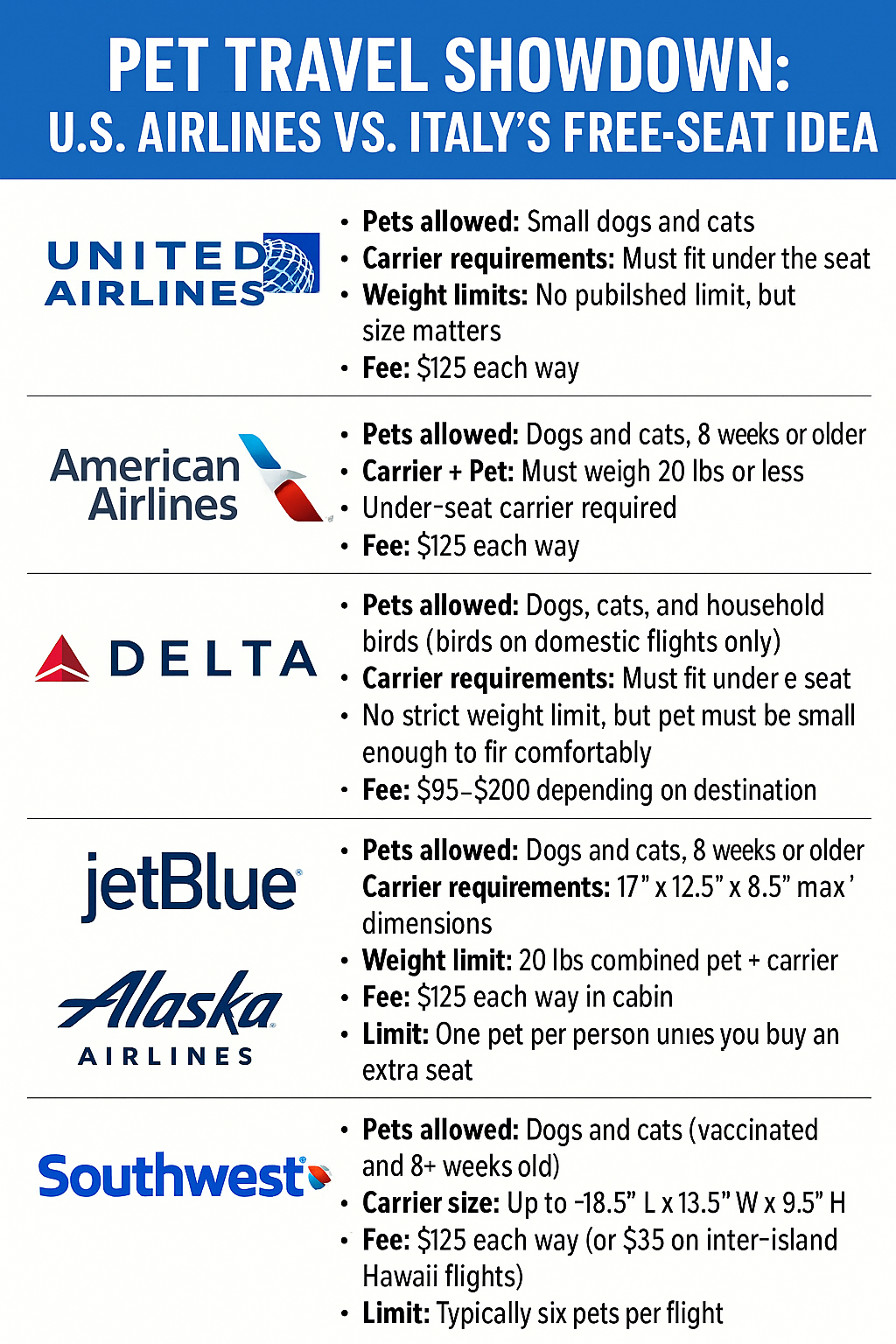
Pet Travel Showdown: U.S. Airlines vs. Italy’s Free-Seat Idea

Italy just made big news for pet lovers. ENAC, the country’s Civil Aviation Authority, announced that pets no longer need to meet strict weight limits to fly in the cabin. If a pet doesn’t fit under the seat, owners can now buy a second seat and place the pet in an IATA-compliant crate beside them. Revolutionary, right?

But here in the U.S.? We’re still flying with more rules and fewer paw-ssibilities. Here’s how the major U.S. airlines handle pet travel.

United Airlines: The Corporate Pet Parent

• Pets allowed: Small dogs and cats

• Carrier requirements: Must fit under the seat

• Weight limits: No published limit, but size matters

• Fee: $125 each way

Note: United’s PetSafe program for larger pets is currently suspended. It’s carry-on or stay home for now.

American Airlines: The Pet Middle Ground

• Pets allowed: Dogs and cats, 8 weeks or older

• Carrier + Pet: Must weigh 20 lbs or less

• Under-seat carrier required

• Fee: $125 each way

Some aircraft offer climate-controlled cargo, but no option to buy a seat for a larger pet in cabin.

Delta Airlines: Slightly More Flexible

• Pets allowed: Dogs, cats, and household birds (birds on domestic flights only)

• Carrier requirements: Must fit under the seat

• No strict weight limit, but pet must be small enough to fit comfortably

• Fee: $95–$200 depending on destination

Delta allows slightly larger pets than others, but they still must fit under the sea

JetBlue: The Space-Conscious Option

• Pets allowed: Dogs and cats, 8 weeks or older

• Carrier requirements: 17” x 12.5” x 8.5” max dimensions

• Weight limit: 20 lbs combined pet + carrier

• Fee: $125 each way

• Limit: Six pets per flight, one per traveler

You can bring two pets if you buy a second seat, but both must still fit under the seat.

Alaska Airlines: The Well-Rounded Choice

• Pets allowed: Dogs, cats, rabbits, and birds (with limitations after April 2026)

• Carrier rules: One per seat, but two pets OK in one carrier if they fit

• Fee: $100 each way in the cabin

• Limit: One pet per person unless you buy an extra seat

Cargo options are also available for larger pets.

Southwest Airlines: Budget-Friendly and Pet-Friendly

• Pets allowed: Dogs and cats (vaccinated and 8+ weeks old)

• Carrier size: Up to 18.5” L x 13.5” W x 9.5” H

• Fee: $125 each way (or $35 on inter-island Hawaii flights)

• Limit: Typically six pets per flight

Pets fly only on domestic routes. Soft carriers are encouraged.

What Can the U.S. Learn From Italy?

While Italy is paving the way for a more pet-inclusive cabin policy, U.S. airlines are still cautious. Safety, logistics, and aircraft layouts make it hard to follow Italy’s lead—at least for now. But with growing demand for pet travel flexibility, change could be on the horizon.

Tips for Traveling with Pets in the U.S.

• Book early — cabin space for pets is limited

• Use soft carriers — they offer more flexibility

• Measure carefully — under-seat sizes vary by plane

• Avoid sedation — most airlines prohibit sedated animals

• Have paperwork ready — health certificates may be required

• Plan comfort — bring treats, water, and a toy